Tanzania
Tanzania - The Greatest Show on Earth
Tanzania is a country in East Africa, known for its rich culture, beautiful landscapes, and magnificent wildlife. The capital is Dodoma, while Dar es Salaam is the largest city and main port. It boasts its natural beauty, including Africa’s highest peak, Mount Kilimanjaro.


Serengeti National Park
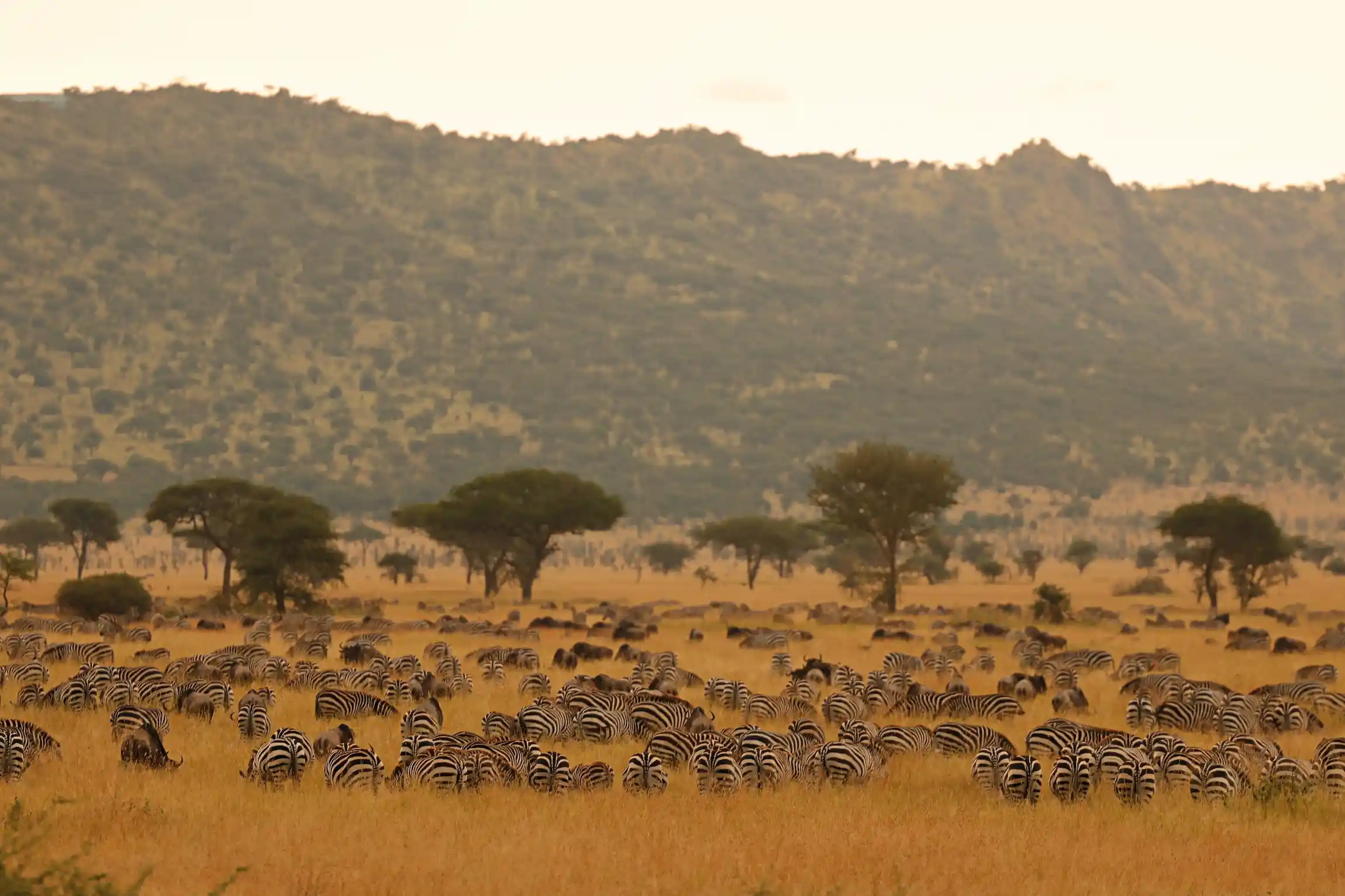
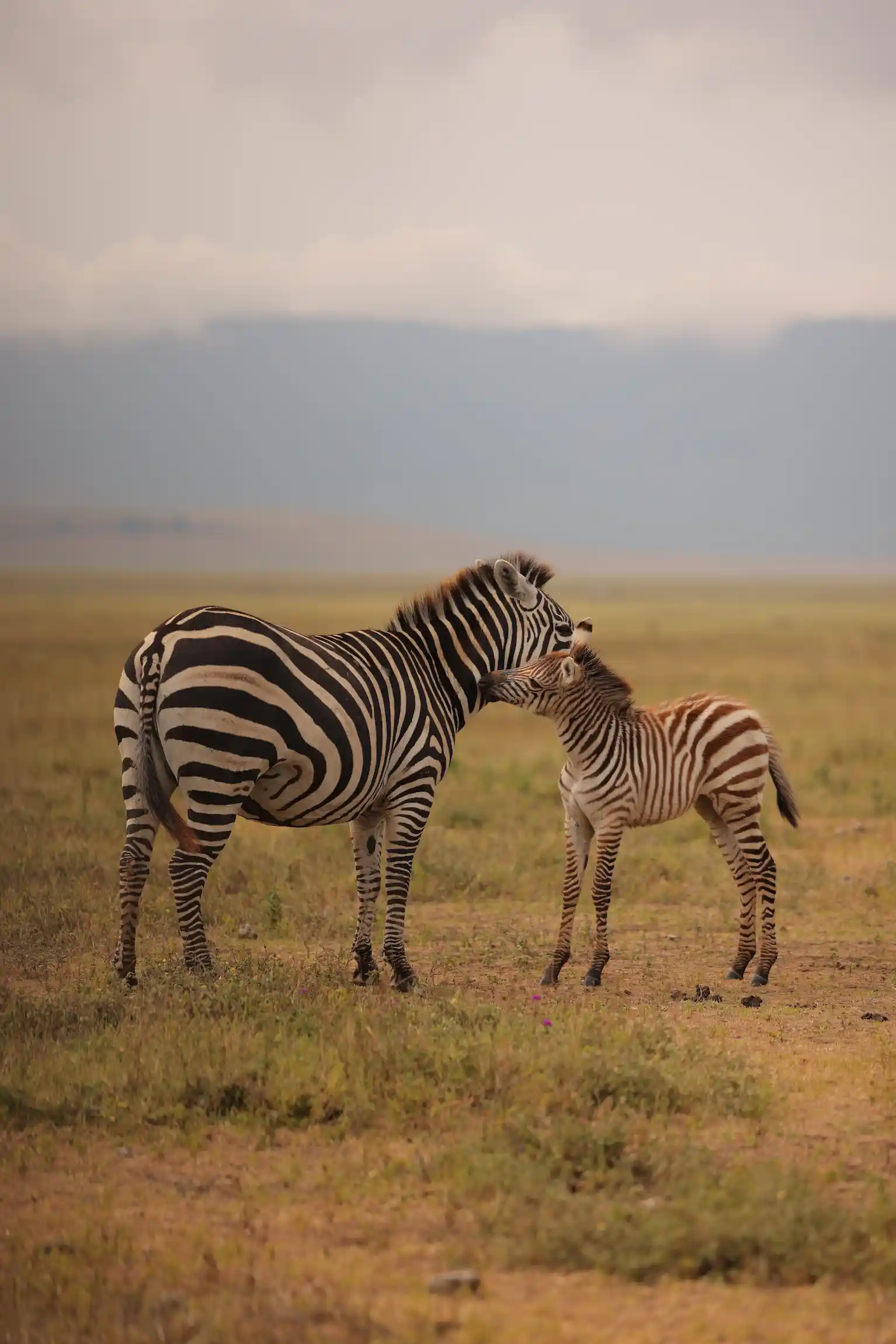
One of the most famous national parks in the world, known for its great animal migration, in which 1.5 million animals participate in the annual cycle, mostly wildebeest and zebras, and a small number of gazelles and fallow antelopes. It is usually one of the first places that comes to mind when you think of Africa.

Ngorongoro Crater
This UNESCO World Natural Site is unique because of its crater ecosystem. It is one of the most impressive natural sites in Africa. A huge volcanic depression was formed about 2–3 million years ago, when a large volcanic mountain collapsed after an eruption. The crater has a diameter of about 19 kilometers and a depth of about 610 meters.

Tarangire National Park
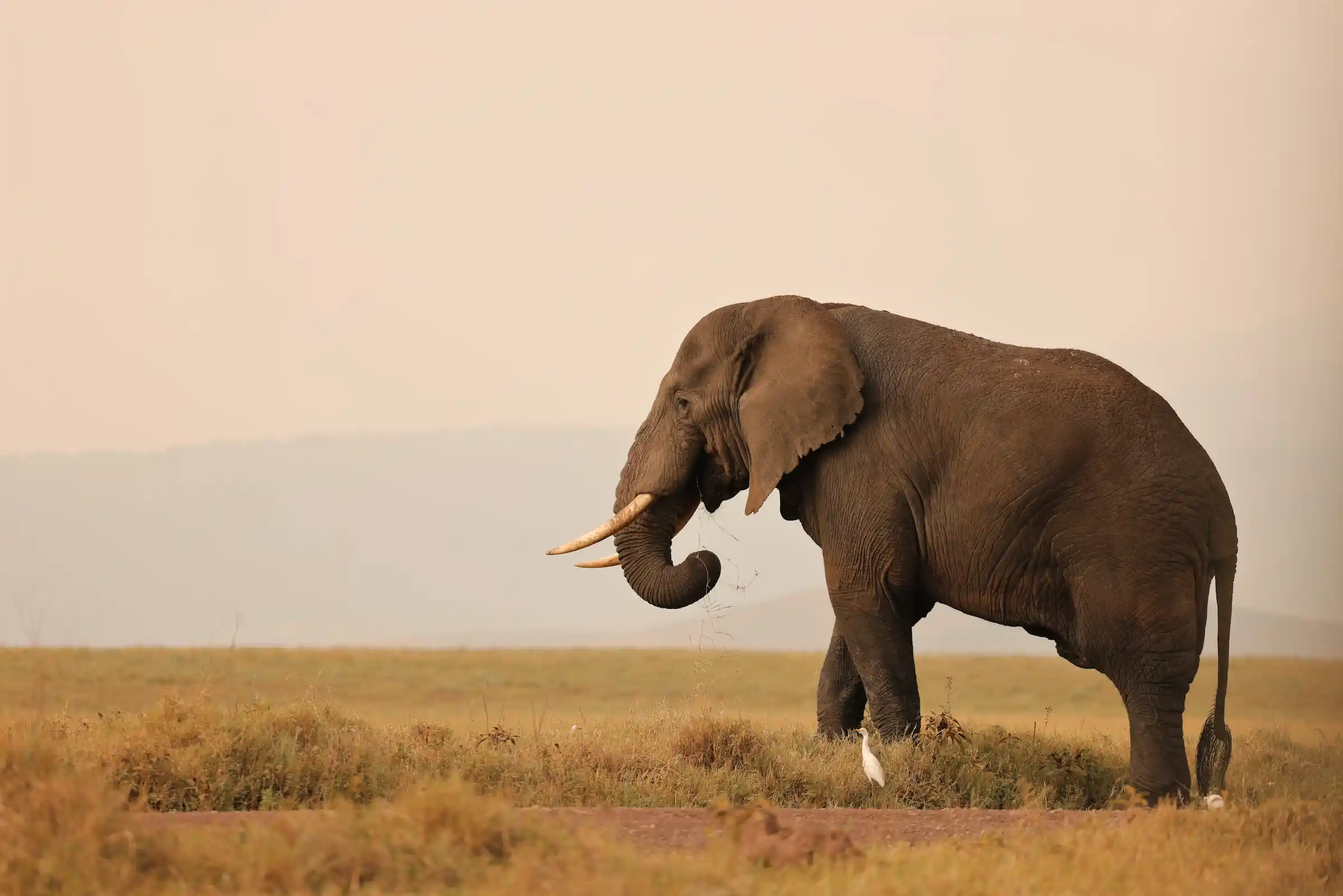
Known for its large packs of elephants and beautiful baobab trees. Tarangire is an ideal place to observe wildlife during the dry season.

Culture of the Maasai tribe
Embark on a cultural exploration and learn all about the traditions and customs of the Maasai people.
Tanzania - 22.2.2026.
10 days / 2.390 EUR
Tanzania - The Greatest Show on Earth
It covers an area of about 945,000 square kilometers, making it one of the largest countries in Africa.
The official language is Swahili, but most people speak English, especially in tourist areas.
It is home to more than 120 ethnic groups, each with its own unique culture and traditions.
Tanzania’s economy relies on agriculture, tourism, and mining. Tourism, in particular, plays a key role in the country’s economy.
Tanzania is best known for its outstanding wilderness and is one of the best safari spots in the world. Here are some of the most famous safari parks:
Serengeti National Park
One of the most famous national parks in the world, known for its great animal migration, in which 1.5 million animals participate in the annual cycle, mostly wildebeest and zebras, and a small number of gazelles and fallow antelopes. It is usually one of the first places that comes to mind when you think of Africa.
The largest number of documentaries were filmed in this park, and for good reason. In the World Travel Award, 6 times in a row (from 2019–2024), it has been named the leading safari park in Africa.
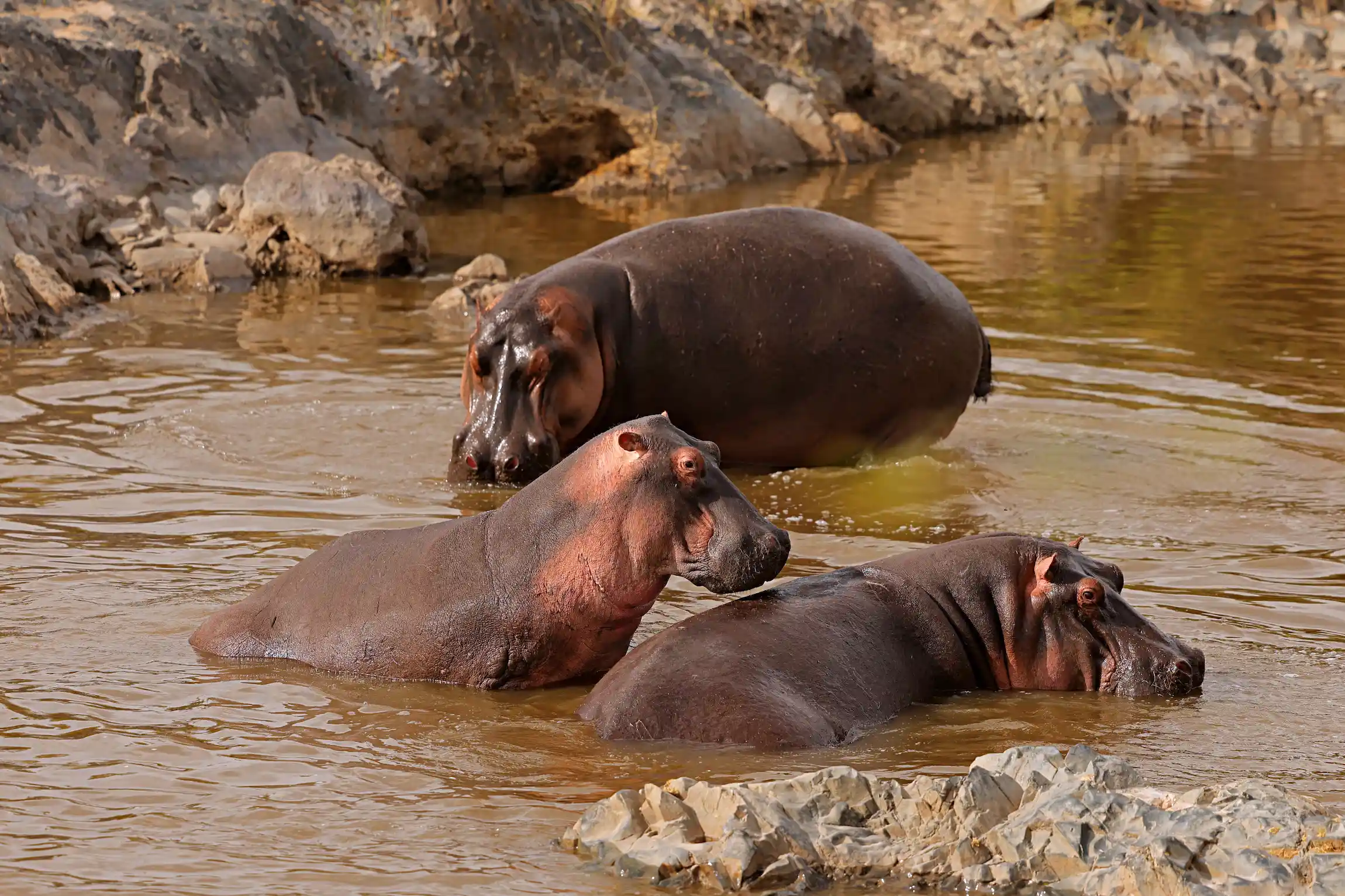
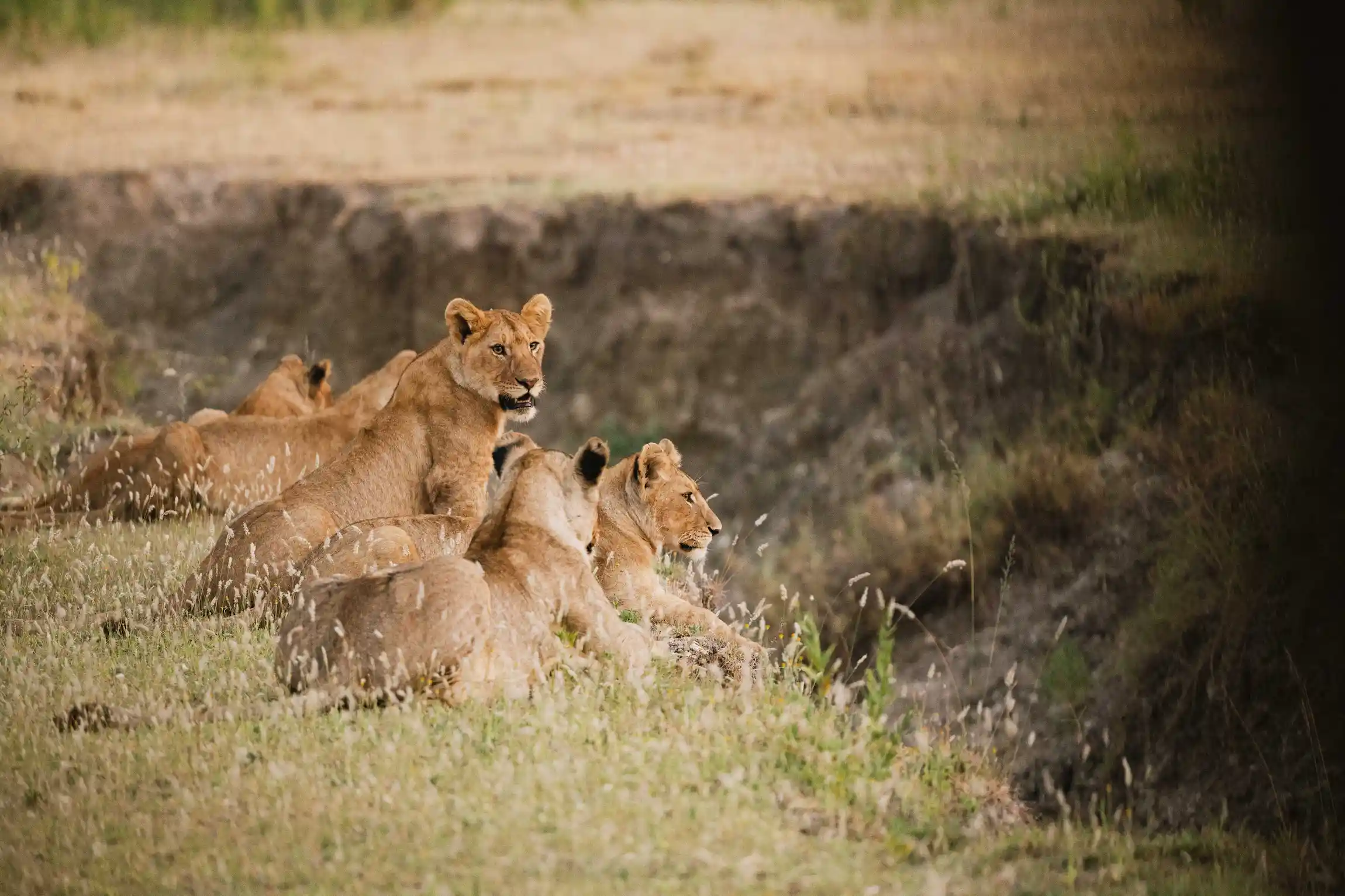
The Serengeti is a World Heritage Site, and the wildlife is incredible. It is home to over 2 million mammals, including 4,000 lions, 1,000 leopards, 550 cheetahs, and 7,500 hyenas. Over 500 species of birds are found in this park.
Ngorongoro Crater
This UNESCO World Natural Site is unique because of its crater ecosystem. It is one of the most impressive natural sites in Africa.
A huge volcanic depression formed about 2–3 million years ago, when a large volcanic mountain collapsed after an eruption. The crater has a diameter of about 19 kilometers and a depth of about 610 meters.
Because of its steep walls, the crater creates a closed ecosystem where wildlife can roam freely but are confined within the area, making it easy to observe.
It is home to almost all species, including lions, rhinos, elephants, and many other mammals. Its rich fauna and flora make it one of the most important nature reserves in Africa.
Tarangire National Park
Known for its large packs of elephants and beautiful baobab trees. Tarangire is an ideal place to observe wildlife during the dry season.
Lake Manyara National Park
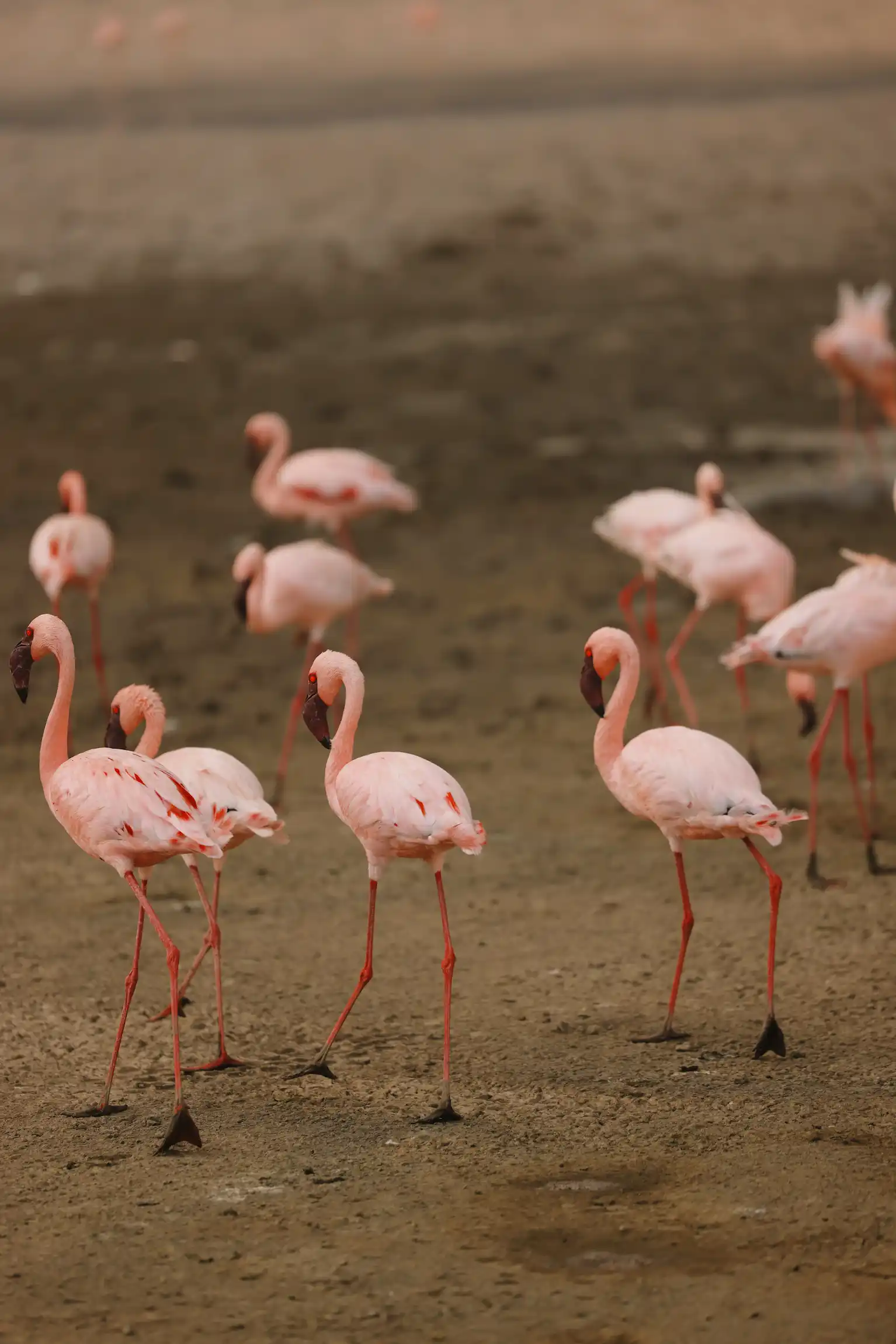
This park is known for its beautiful landscapes, diverse ecosystems, and abundance of birds, including flamingos.
It is also home to the forest elephant, tree-climbing lions, and many other species.
Ruaha National Park
Less known, but extremely rich in wildlife.
Ruaha is home to a large number of lions, leopards, chimpanzees, as well as many species of birds.
Tanzania offers a unique safari experience with rich wildlife and beautiful landscapes. Its national parks are perfect places to explore fauna and flora, and each park has its own characteristics that make it special.
Whether it’s the grand migration to the Serengeti or the beautiful landscapes of the Ngorongoro crater, Tanzania is a destination that will enchant nature lovers and adventure lovers.
Safaris in Tanzania are not cheap.
- Daily admission to the Serengeti is $80, plus an additional $70 if you’re staying within a national park. This is essential when exploring the Serengeti, because in this case you don’t waste time getting to the park.
- Just passing through the Ngorongoro crater is charged $70 per person, and an additional $300 for each car that wants to access the crater.
It is one of the best and most visited parks in the world.
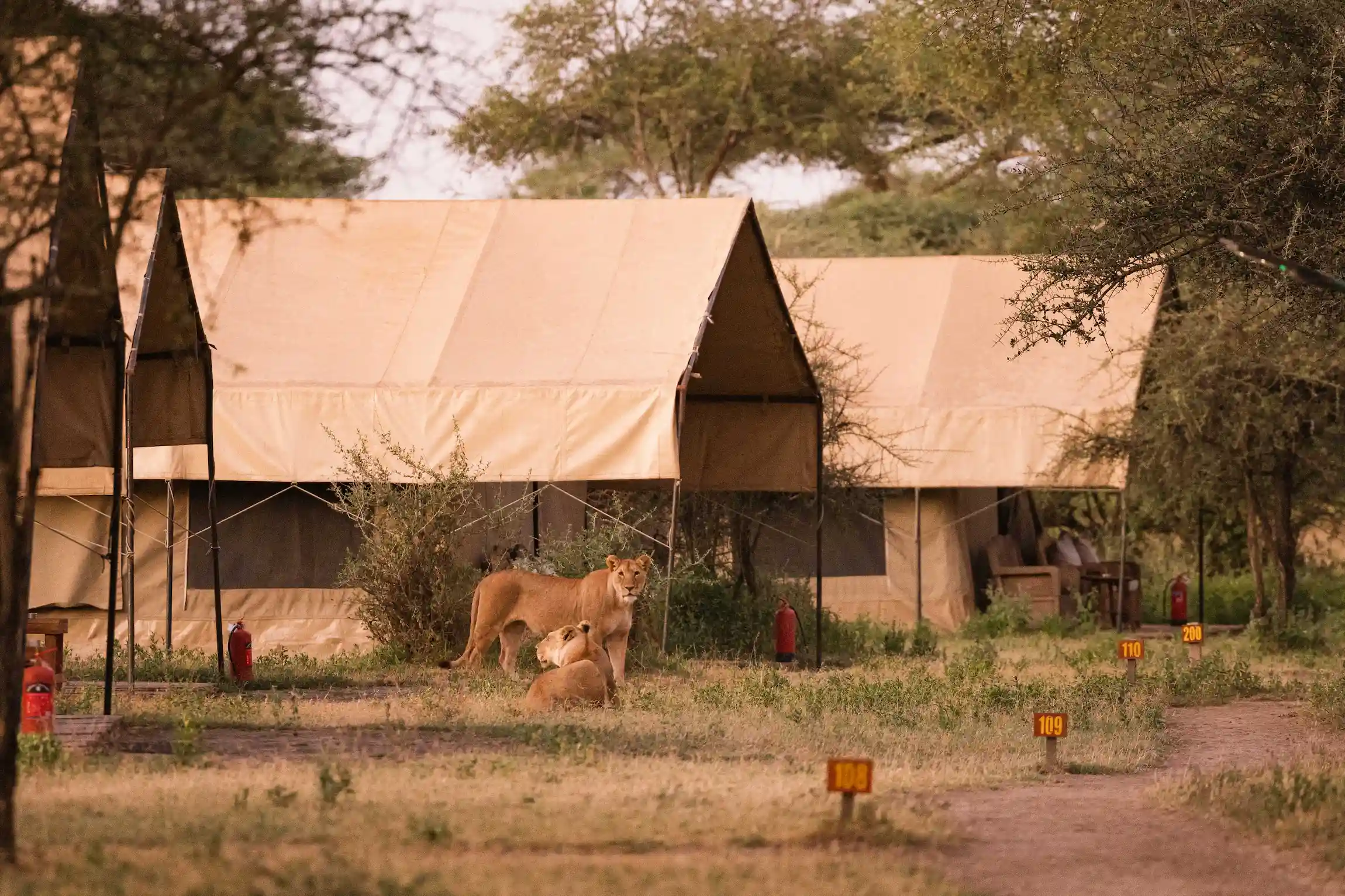
The campsites and lodges in the Serengeti are authentic, fence-free and located in the heart of the park, where the animals move unhindered.
Our campsites, where we go, are comfortable and places where you can experience the wilderness in its primordial, wild form.
On safari, there are no compromises when it comes to the things that make it original.
Is it safe to travel to Tanzania?
Tanzania is by all measures a paradoxical blend of adventure and relative safety, the cities demand attention, but the safari experience exceeds most safety expectations.
As a capital value group, if you follow the rules, use verified tours, take care of documents, health and mobility, the chances of a serious incident are small.
Do you need a vaccine?
You don’t need a vaccine to travel to Tanzania if you’re flying from Europe. If you are coming to Tanzania from countries where yellow fever is endemic or have been to one of the high-risk countries, you will need a yellow fever vaccine.
Is a visa required?
A visa is required to travel to Tanzania. The process is simple, the application is submitted online and approved within 48 hours.
Tanzania - The Greatest Show on Earth
If you are interested in traveling to Tanzania send us an inquiry