Kenya
Kenya – The Land of Legends
When it comes to African safaris, Kenya is one of the first destinations that comes to mind. The birthplace of safari and the first country to introduce the concept of the “Big Five”. There are over 40 national parks in this country. With that in mind, the choice can sometimes be difficult – which ones to visit?
When it comes to natural beauty, Kenya has everything to offer, from perfect tropical beaches, nature reserves, large rugged mountain ranges to the best national parks. Cultural heritage, local tribes, and fascinating civilizations further enrich the experience.


Masai Mara
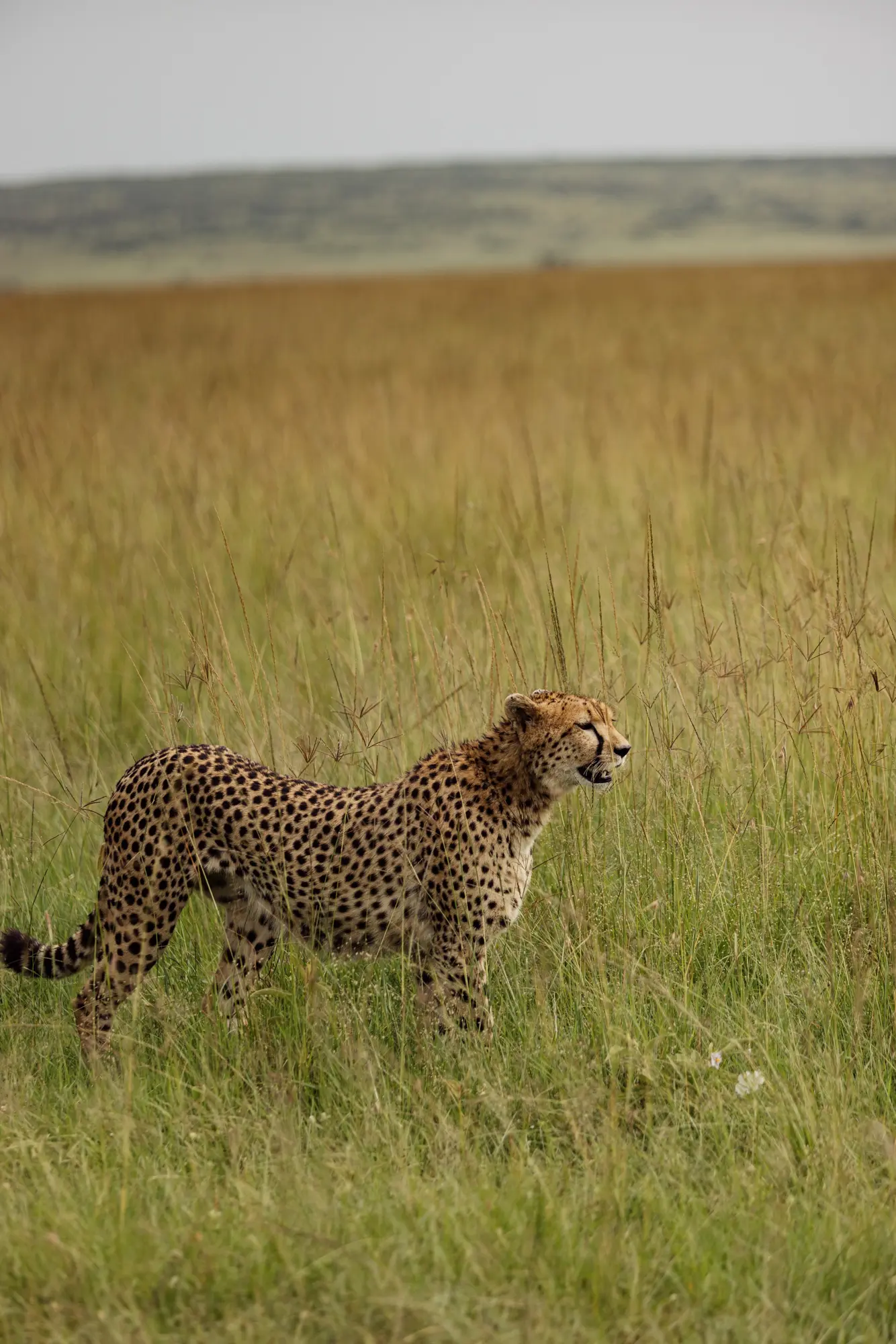
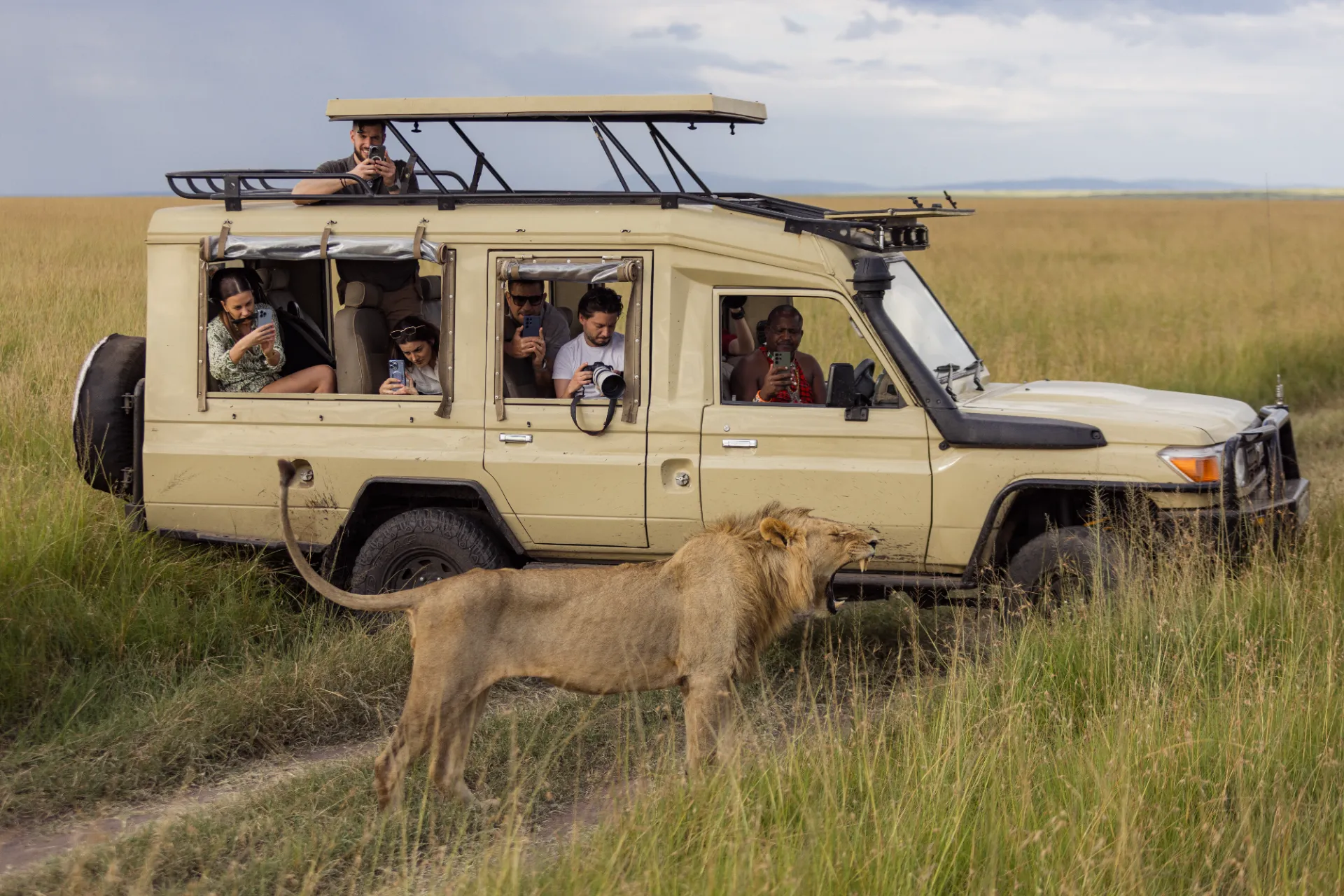
The reserve is home to one of the densest populations of wild cats and an annual large migration of animals. It is the largest natural spectacle in the animal world and takes place every year.

Amboseli National Park
"Home of the African Elephant"
It is located in the south of Kenya, not far from the border with Tanzania, and at the foot of the
Africa's highest mountain, Kilimanjaro.

Nakuru National Park
The park was declared a rhino sanctuary in 1983 and currently has a healthy population of both black and white rhinoceros. The south of the park is known as the location where you can meet lions and leopards.

Culture of the Maasai tribe
Embark on a cultural exploration and learn all about the traditions and customs of the Maasai people.
Kenya - 3.2.2026.
8 days / 1.990 EUR
Kenya – The Land of Legends
Safari in Kenya is an all-year destination, there is a dry and wet season. The shorter, “wet” season is at the end of November, and the longer one – April and May. This is an important thing if you are traveling, because you should definitely pay attention to the weather conditions when visiting certain parks.
After many years of experience, we have selected the parks where there are the best chances for a perfect safari and we present you the 5 best:
Masai Mara National Park
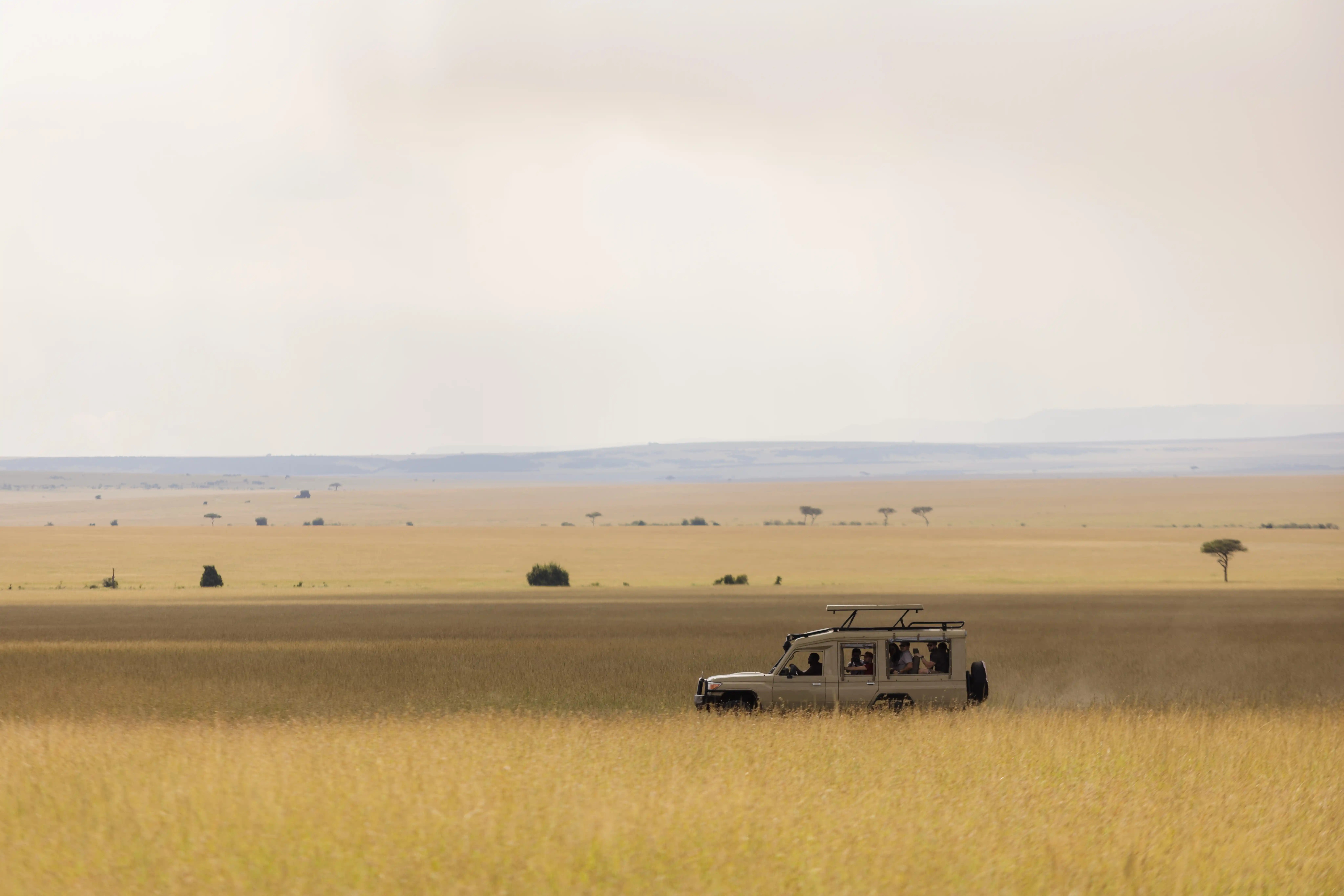
Deservedly at the top of the safari list. A land of savannah, vast pastures and coastal forests. The reserve is home to one of the densest populations of wild cats and an annual large migration of animals. It is the largest natural spectacle in the animal world and takes place every year. The earth vibrates with the thunder of millions of hooves, as herds of wildebeest and zebras fill the plains and chase the rains in this epic year-long struggle for survival, known as the Great Migration.
Traveling about 2,000 kilometers each year, migration is driven by the animals’ hunger for greener pastures and water and is directly dependent on seasonal rainfall. The best chance to see this natural spectacle is from July to October.
The national reserve is divided into a central reserve and several smaller private reserves. There are no boundaries and animals move freely between them. On our tours, we always visit both central and private reserves.
The expansion of the Masai Mara as the world’s leading national safari park began in the late 1990s and early 2000s. The famous British company BBC spends 5 years in the reserve and films the predators of this region every day. Their Big Cat Diary series becomes world famous and people all over the world are introduced to the uniqueness of this park and the animals they identify with and want to see.
Located at 1,600 meters above sea level, mornings are fresh and pleasant, while daytime temperatures go over 30°C.
Nakuru National Park
The park was declared a rhino sanctuary in 1983 and currently has a healthy population of both black and white rhinoceros.
The south of the park is known as a location where you can meet lions and leopards.
However, the park is best known for its large colonies of flamingos and pelicans, of which up to 1.5 million can be found.
Laikipia National Park
Located northwest of Mount Kenya, the high plains of Laikipie are increasingly recognized as a leading safari destination. Wildlife density ranks second only to the Masai Mara. The park is home to 50% of Kenya’s rhinos, which are a critically endangered species.
The park is experiencing an expansion with the appearance of a black leopard named Giza. Today, every photographer and safari enthusiast visits this park with the desire to see it.
Currently, there are only 2 black leopards that can be seen in the wild, one is in Laikipia Park and the other is in Kabini National Park in India.
Amboseli National Park
“Home of the African Elephant”
It is located in the south of Kenya, not far from the border with Tanzania, and at the foot of Africa’s highest mountain, Kilimanjaro.
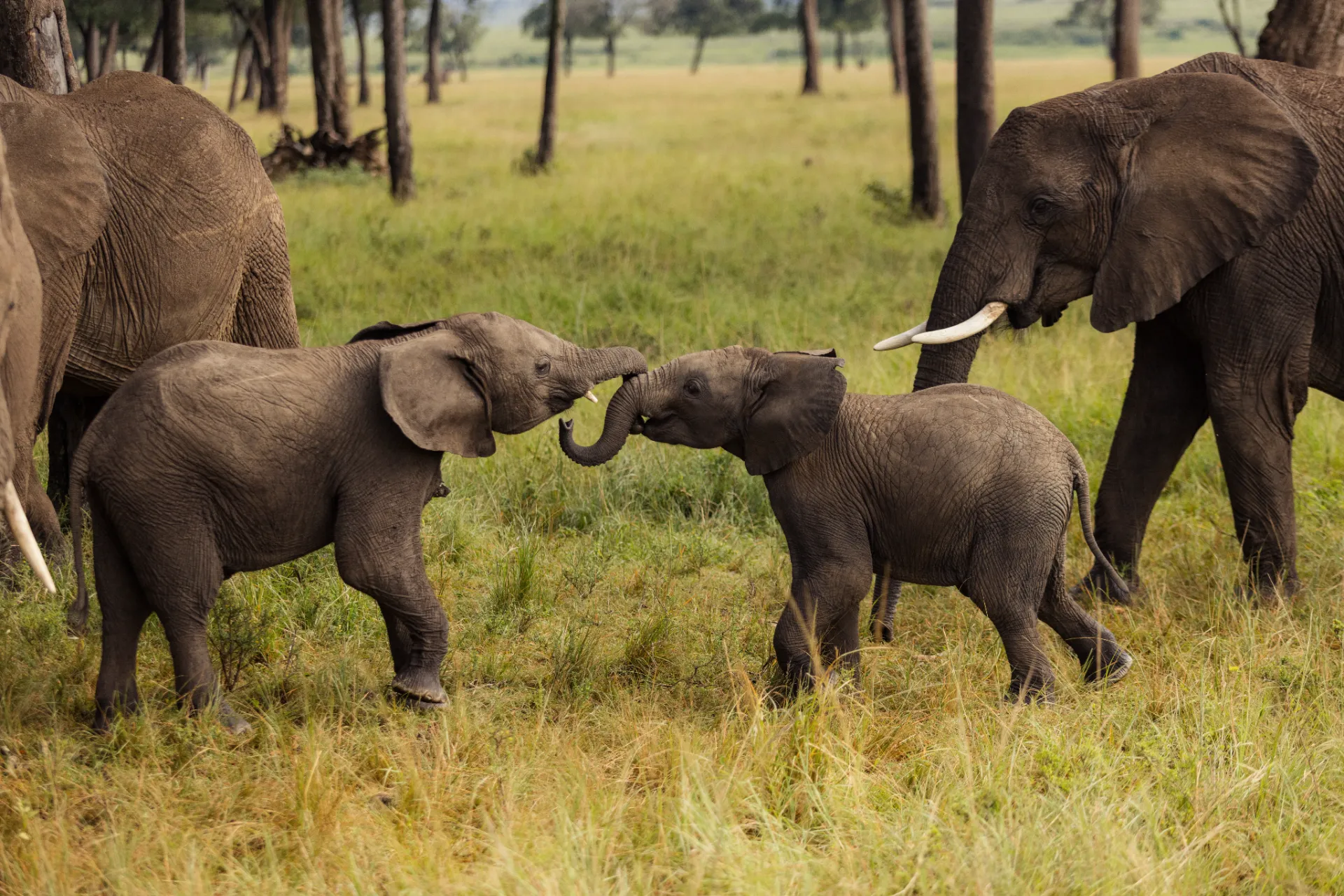
It covers an area of 392 km² and is home to some of the largest elephant herds in Africa.
Meru National Park
The park was neglected in the late 1990s due to poaching, but in recent years it has become an increasingly popular safari destination. It is still one of the less visited parks, but this works in its favor, because at 870 km² it leaves an untouched part of the country.
Is it safe to live in Kenya?
It’s a debatable question, given that this is a city of millions in which only some parts of the city are tourists. However, the mentality of the people is different from that of us. Most of them are cheerful, smiling, and willing to help. Since the city is always full of people, you have to be careful with pickpocketing, and go around the city only in groups. It should be borne in mind that their standard of living is very low and that there is a lot of poverty, so we need to be even more careful.
Do you need a vaccine?
A vaccine is not required to travel to Kenya.
Is a visa required?
A visa is required to travel to Kenya. The process is simple, the application is submitted online and approved within 48 hours.
Kenya - The Land of Legends
If you are interested in traveling to Kenya send us an inquiry