Home / Botswana
Botswana
Botswana
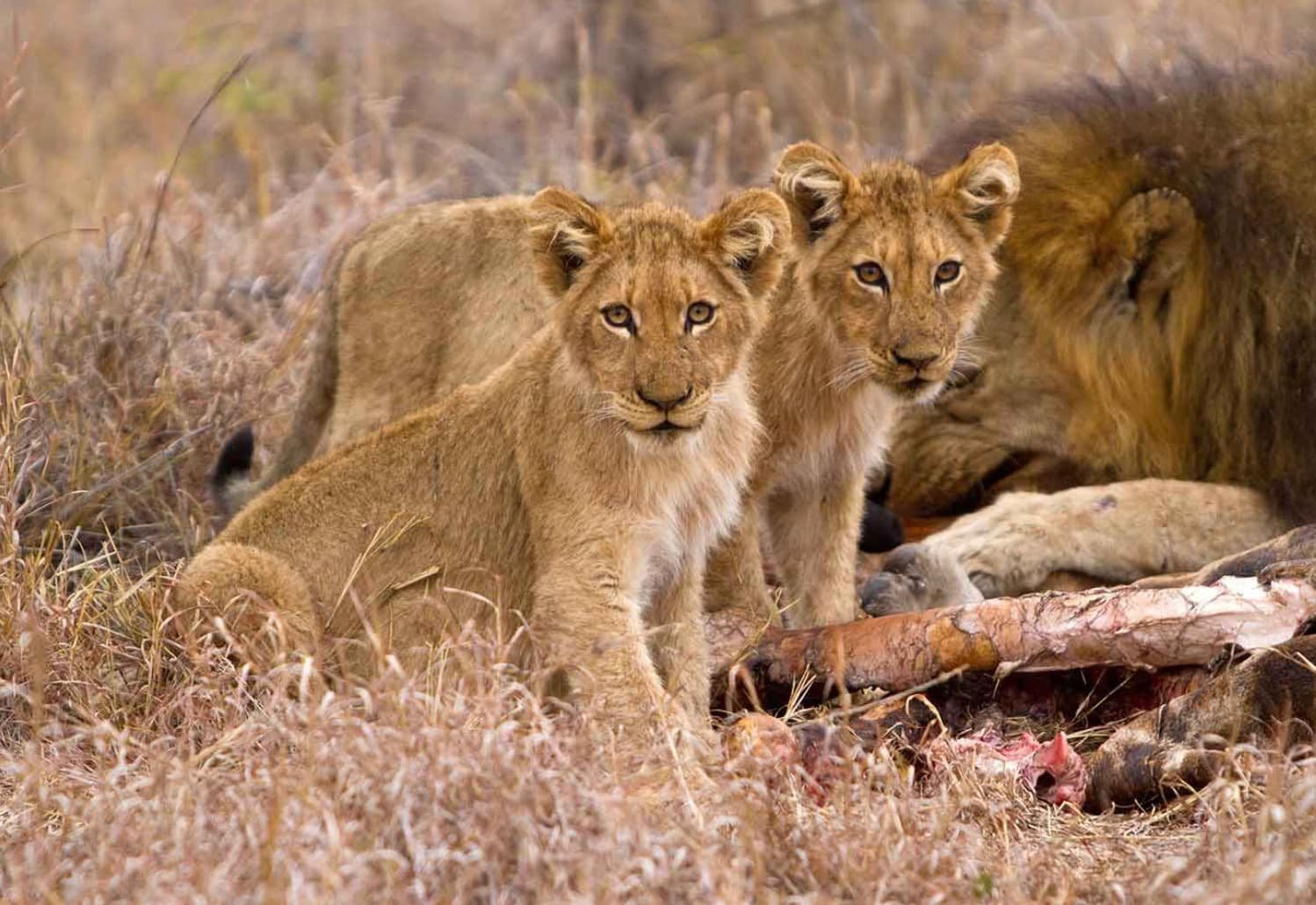
Botswana is one of the last wild and untouched landscapes on Earth. National parks and private reserves make up as much as 40% of the country. Fences do not exist between parks and campsites, and animals move unhindered. It is home to the world’s largest population of elephants. Next to them, it is a paradise for wild cats and is home to a large number of lions, leopards and wild dogs.


Chobe
Chobe National Park has several completely different zones. It is home to more than 120,000 elephants, more than anywhere else in the world. The park is known for the so-called "elephant highways," ancient trails that have been used by them for generations that have not changed for centuries.

Okavango Delta
The Okavango Delta is one of the largest inland deltas in the world, a place where the river disappears into the sand. Here you can sail wet boats through the reeds, with hippos, elephants and predators, all without the noise of the engines.

Khwai
Khwai Concession is a community-run area where off-road and night safaris are allowed. This is one of the few places where you can see a leopard, a wild dog, a hyena and a lion in one night. The ride usually takes place on the sand, along the river, in search of the right action.

Gallery
Savuti is a legendary dry savanna where lions hunt even elephants. The documentary Savage Kingdom was filmed here, and Sekekama the lion became one of the biggest stars in the wilderness. This is a place where nature shows its most brutal, but also the most authentic reality.
It will soon depart for 2026.
Botswana
Botswana is one of the few African countries that has chosen quality over quantity. Instead of mass tours and crowds, in Botswana you get spaciousness and privacy, more often you meet a whole herd of elephants than other tourists.
The country is stable, peaceful and safe, and the locals are warm, cultured and proud of their nature. The official language is English, but Setswana, the traditional language of the majority of the population, is also often heard. The local currency is pula, which means “rain”, in a country where rain means life.
Botswana has perhaps the most authentic safari system in the world, but there are no paved roads through parks. You drive through sand, mud and water, cross rickety wooden bridges, camp in the middle of nowhere, all with permits and rules that preserve nature.
Okavango Delta
The Okavango Delta is one of the largest inland deltas in the world, a place where the river disappears into the sand. Here you can sail wet boats through the reeds, with hippos, elephants and predators, all without the noise of the engines.
Khwai Concession
Khwai Concession is a community-run area where off-road and night safaris are allowed. This is one of the few places where you can see a leopard, a wild dog, a hyena and a lion in one night. The ride usually takes place on the sand, along the river, in search of the right action.
Gallery
Savuti is anegendaric dry savannah where lions hunt even elephants. The documentary Savage Kingdom was filmed here, and Sekekama the lion became one of the biggest stars in the wilderness. This is a place where nature shows its most brutal, but also the most authentic reality.
Chobe
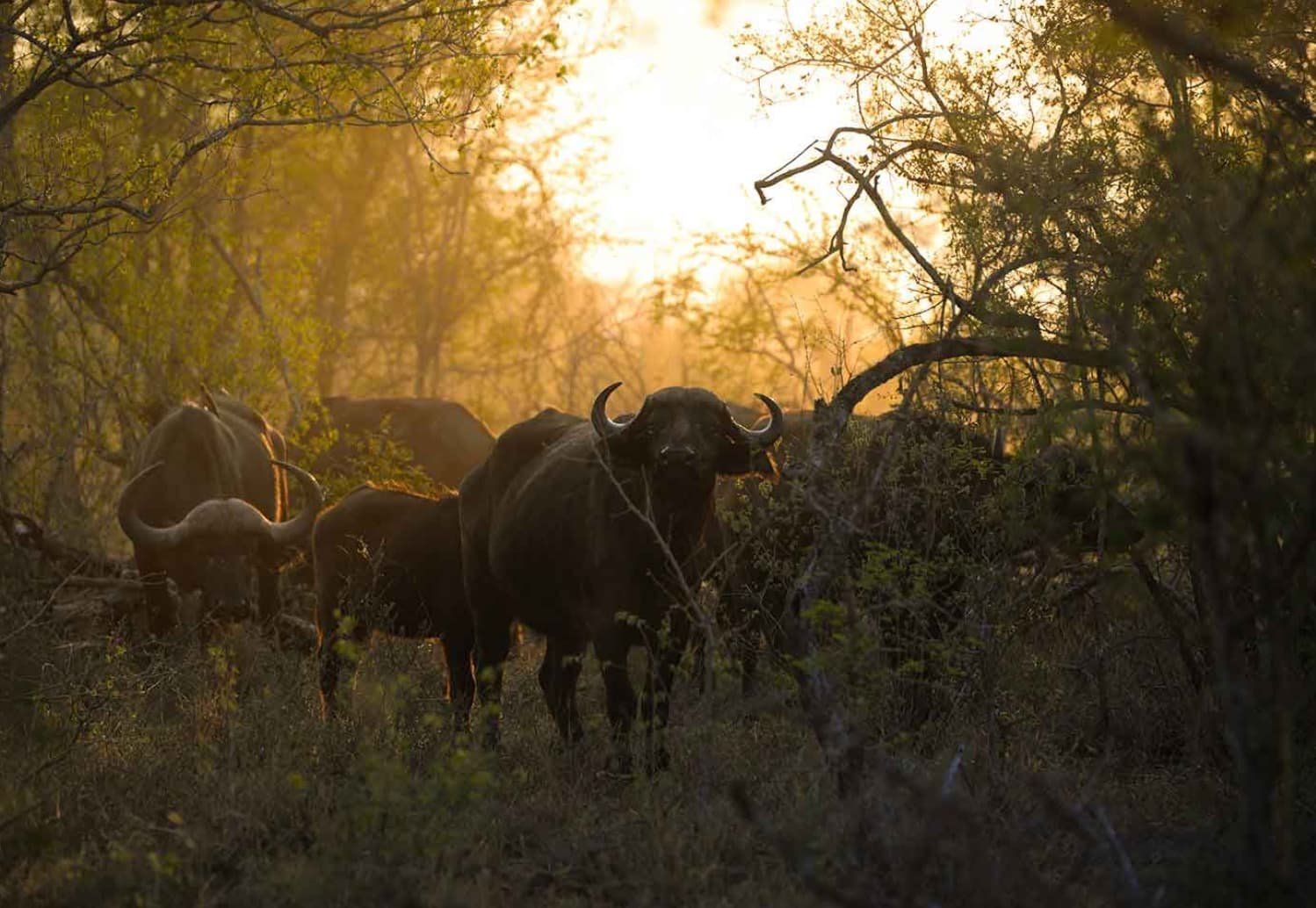
Also known as “The Land of the Giants,” Chobe Park is home to Africa’s largest elephant population. With more than 10,000 square kilometers, this is the second largest national park in Botswana. Composed of rich ecosystems and pristine landscapes, Chobe offers one of the highest concentrations of wildlife on the African continent. Divided into four distinct ecological systems, savanna plains, river, swamp, and bushes, Chobe National Park is extremely diverse. A permanent source of water is the Chobe River, which is located in the northeast of the park and is a center of wildlife activity. During the dry months, from June to November, the park is flooded with some of the largest herds of elephants and buffaloes seen on the African continent.
Kalahari
As soon as you step into the Kalahari, you will feel a strong sense of distance and isolation. This is home to Africa’s most impressive black-maned lions, as well as unique species of suede, such as the oryx, springbok, and gemsbok.
Originally, the reserve was planned as a home for the San Bushman people, nomadic hunters who inhabited the area for more than 30,000 years. Today, most of them are mixed with other local tribes and live in villages and settlements in the southern part of the reserve. Many work as guides in the desert, providing a fascinating and authentic insight into this unique region.
Our past tours
Questions, answers and experiences
Tabore et dolore magna aliqua. Ut enim ad minim veniam, quis nostrud exercitation
Is it safe to live in Botswana?
It’s a debatable question, given that this is a city of millions in which only some parts of the city are tourists. However, the mentality of the people is different from that of us. Most of them are cheerful, smiling, and willing to help. Since the city is always full of people, you have to be careful with pickpocketing, and go around the city only in groups. It should be borne in mind that their standard of living is very low and that there is a lot of poverty, so we need to be even more careful.